Latest News

In Memoriam: Professor Yehuda Cohen

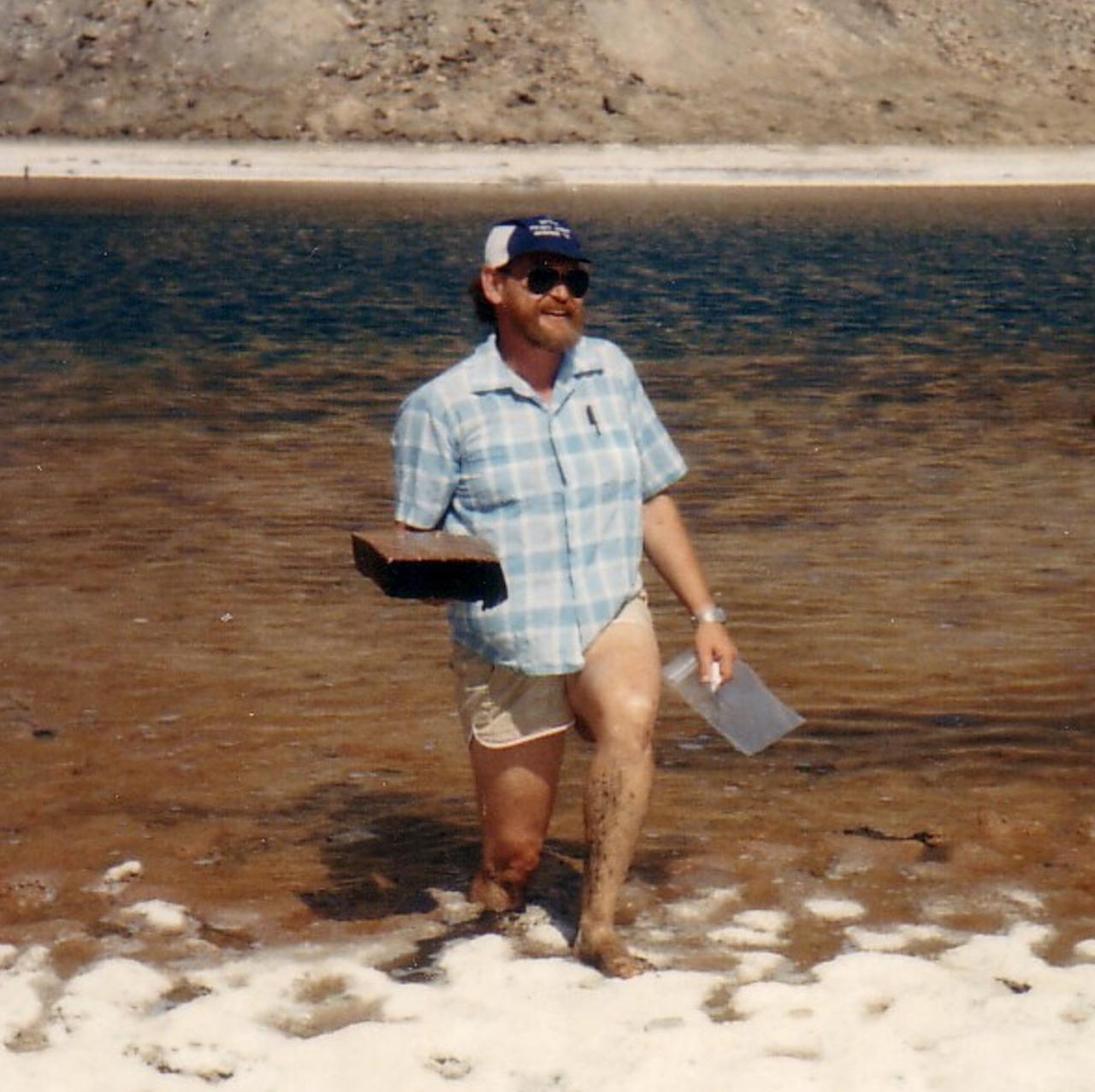
It is with deep sadness that we share the passing of Professor Yehuda Cohen, a founding figure of the International Society for Microbial Ecology and one of the architects of modern microbial ecology.

Vacancy – ISME20 Events Assistant

ISME is looking for a motivated and flexible Events Assistant to support the organisation of ISME20. This temporary role is ideal for recent graduates seeking hands-on experience in an international setting.

ISME20 - Call for abstracts

ISME invites microbial ecologists from around the world to submit abstracts for consideration for inclusion in the ISME20 programme. If you wish to be considered for an oral presentation, short talk, or poster, please submit your abstract by 15 February.

Call for Roundtable Proposals

Microbial ecologists are invited to propose dynamic roundtable sessions for ISME20, shaping engaging, forward-looking discussions that highlight emerging ideas and transformative advances in science.

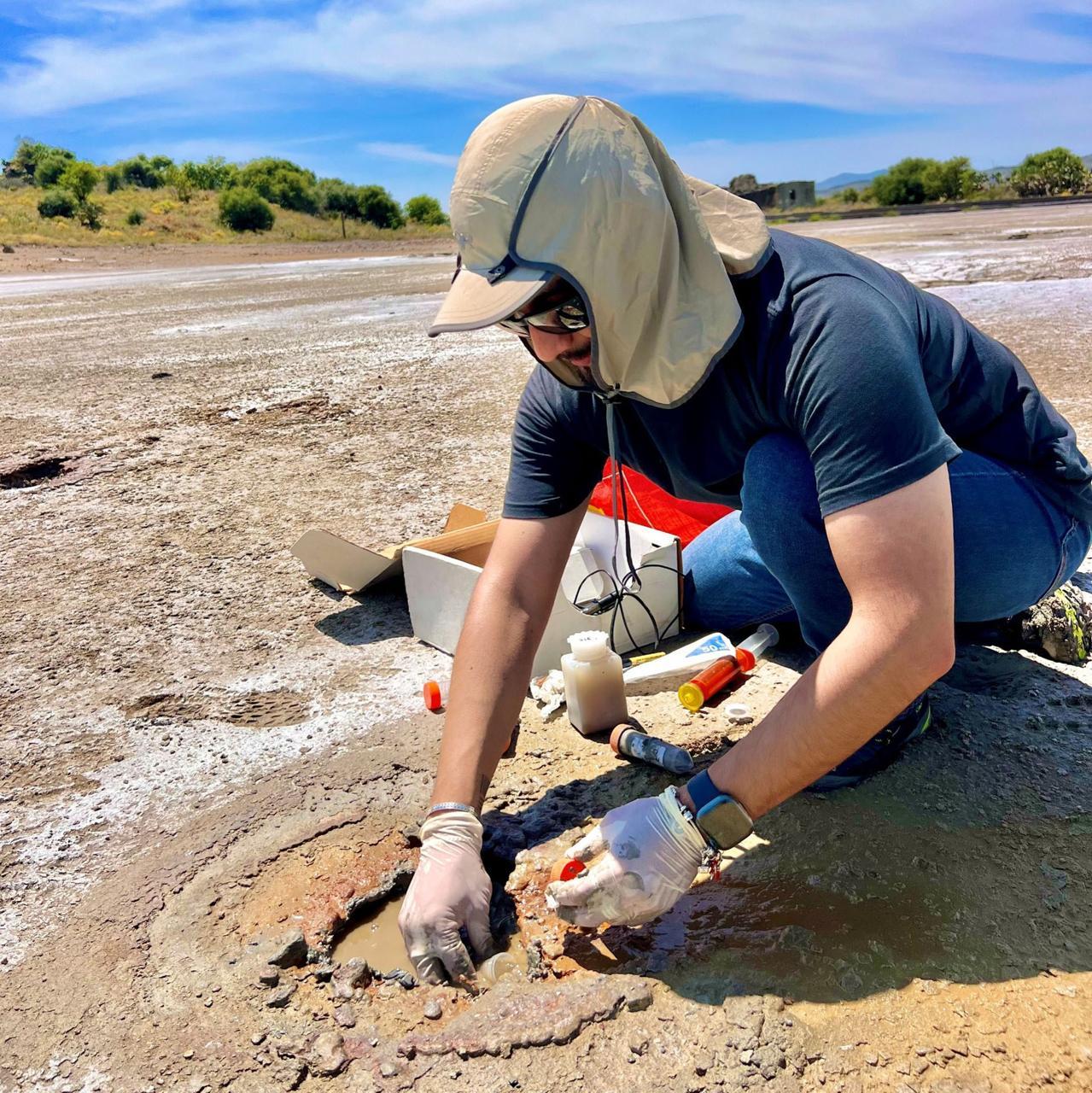
Chilean Hydrothermal Research extended to Italy

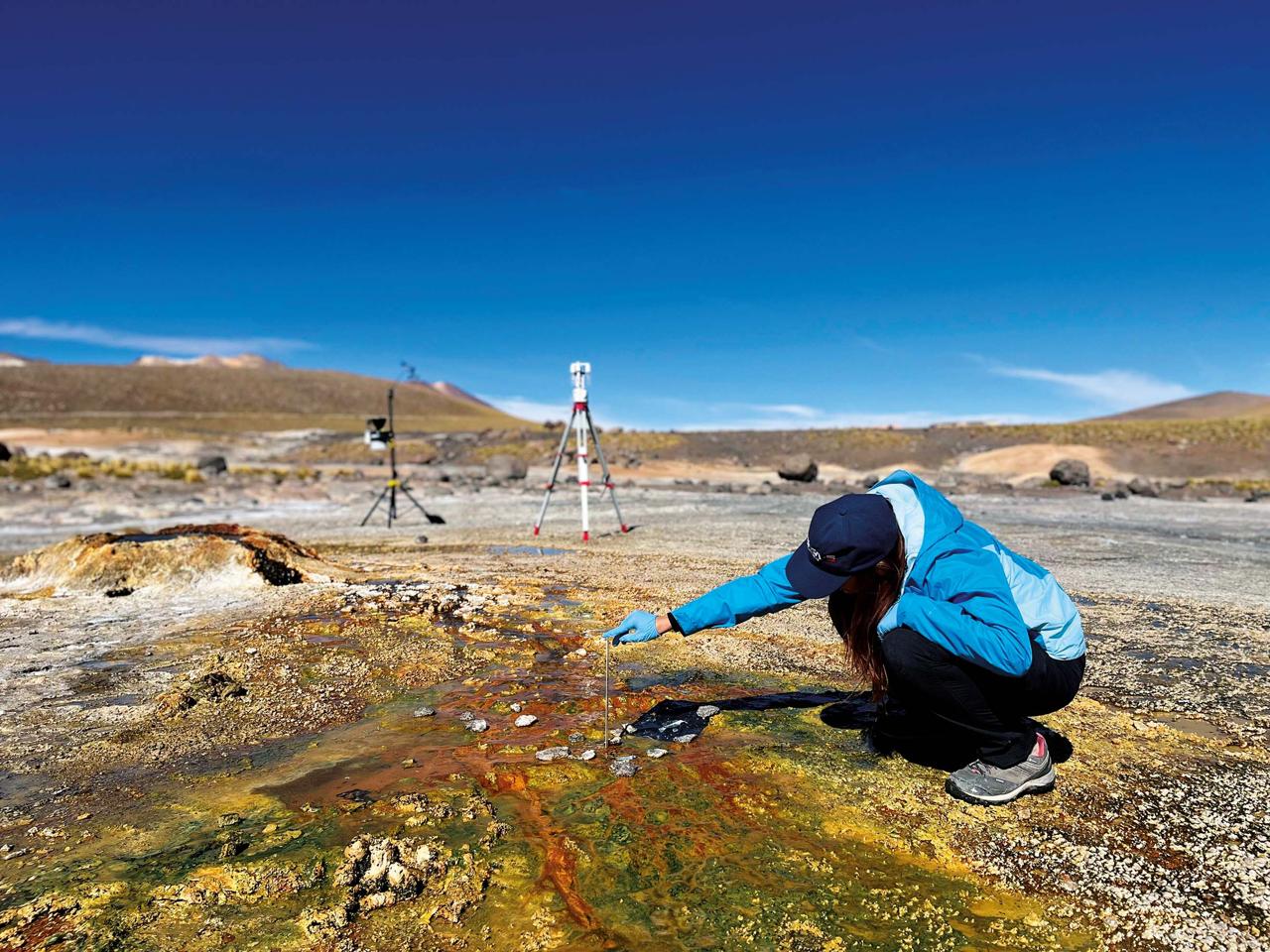
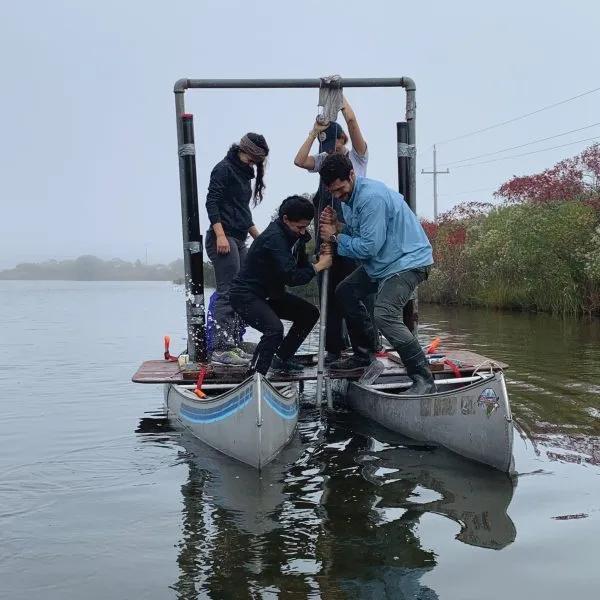
ISME-supported PhD research expands from Chile to Italy, mapping sulfur biochemical cycles of hydrothermal systems to test observed patterns in microbial energy transition in extreme environments.

Explore the ISME20 Scientific Sessions

Microbial ecology goes global at ISME20, highlighting the field’s impact worldwide. Exciting topics and scientific sessions are planned, offering attendees a chance to explore cutting-edge research.

Structured interactions reduce keystone effects

Not all species are created equal – the structure of their interactions determines their impact on the ecosystem. New research reveals microbial communities stay stable even when species are removed.

Career choice interview – Alena Pribyl

In this edition, Alena Pribyl discusses her journey from postdoc to Lead Scientist at Microba, offering insights into industry research, career transitions, and essential skills for success.

IUCN Expands Conservation to Microbial Life

The IUCN Microbial Conservation Specialist Group, the first IUCN body focused on protecting microbial life, outlines its goals, framework, and initial action plan in an ISME journal editorial.

Call for microbial ecology photos and videos

Enter the ISME photo competition for a chance to be featured on the front covers of ISME Publications or on the ISME Society promotional materials. Submit your entry by 18 November!

Close to home: measuring microbial dispersal

Microbial movement into soils occurs at a surprisingly local scale. By measuring dispersal rates and spatial patterns, this study challenges the assumption that microbes freely mix across environments.

Hidden drivers of wastewater treatment microbiomes

Wastewater treatment and resource recovery are key for human and environmental health and green transition. Here, Riisgaard-Jensen et al. uncover how the underexplored sewer microbiome shapes the activated sludge communities of the systems.

Cable bacteria transfer electrons through contact

Cable bacteria in freshwater sediments connect through brief end-to-end contact to relay electrons, unveiling a novel cooperative strategy among microbes.

Two-step localization in bacterial predation

Peptidoglycan hydrolase drives a two-step localization in interbacterial predation, representing a previously unrecognized predation mechanism.

Bacterial ‘memory’ lives outside the cell

Microbes can store “memories” by collectively altering their environment. These externalized “memories” impact how microbial communities assemble.

Acetogens are widespread and versatile in ruminants

Acetogens colonizing the rumen have the potential to reduce methane emissions by incorporating electrons to generate acetate, offering a sustainable strategy to improve livestock energy efficiency and help combat climate change.

Reshaping microbial behavior without antibiotics

This study shows that a novel therapy for cystic fibrosis that is not an antibiotic alters the lung microbiome structure and function due to its effects on shifting microbial niche spaces.

Hot spring bacteria move against the flow

Bacteria without flagella can move against fast water flow in hot springs by using pili-like grappling hooks to crawl upstream, revealing a surprising survival strategy in extreme environments.

Strain-level visualization of microbial life

GenomeFISH is a new genome-based method that overcomes key limitations of traditional FISH, enabling high-throughput, strain-level visualization of microbes directly from their genomes with greater sensitivity.

Habitat filtering shapes soil microbiota transplants

Amid the global soil health crisis, this study explores how habitat filtering shapes soil transplant outcomes and how synthetic communities can steer resident microbiome development for restoration.

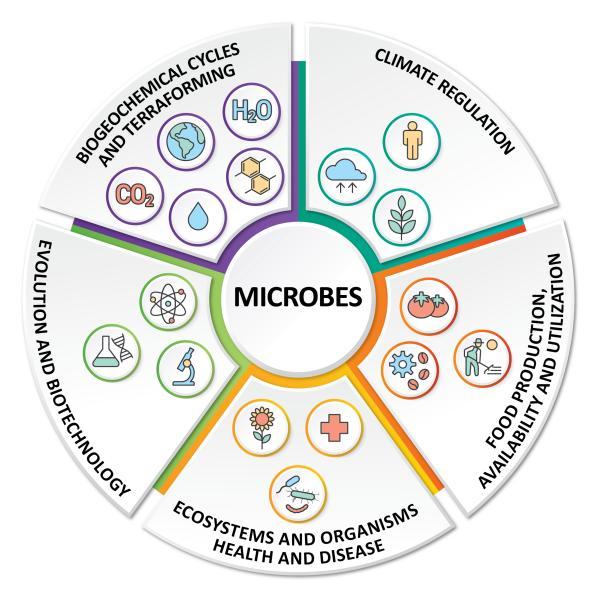
Microbes without Borders, Uniting for Climate Change

Microbiology leaders launch global Climate Change Strategy. Published across 6 leading scientific journals, the strategy charts a path to integrate microbial science into global climate solutions.

Call for Applications – ISME Scholar Mobility Fund

ISME supports MSc/PhD graduate students and postdocs to develop academically via the Scholar Mobility Fund. Please submit your application by 1 October to study at a host institution abroad.

Register for the #UnityinDiversity Meeting

Join ISME’s #UnityinDiversity 2025 Virtual Meeting on 21 October, which will elevate diverse voices in microbial ecology and affirm the importance of equity, inclusion, and global collaboration.

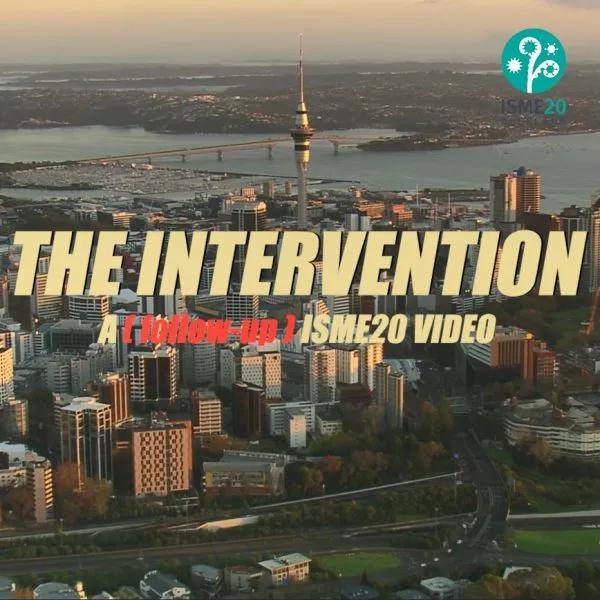
ISME20 the Sequel: the Quest continues…

To celebrate that ISME20 is exactly one year from now, the ISME20 Local Organising Committee recreates the magic of their first video by taking you on a new adventure in the second installment.

Announcing ISME20 Keynote Speakers

We are delighted to announce the keynote speakers of ISME20, held from 16 – 21 August 2026. These eight internationally renowned microbial ecologists will each give a 45-minute presentation in Auckland, New Zealand.

Taxonomy and Nomenclature in ISME Communications

ISME Communications is expanding its scope to include Taxonomy and Nomenclature, recognizing their essential role in microbial ecology. Latin names are more than labels—they are foundational for scientific communication, enabling the organization, retrieval, and interpretation of microbial data across studies.

ISME launches Early Career Scientist Reviewer Pool

The ISME Early Career Scientist Committee and ISME Publications are delighted to welcome 102 early career scientists to the inaugural ISME Early Career Scientist Reviewer Pool.

Meet the ISME Early Career Scientist Committee – Leslie Daille

Dr. Leslie K. Daille is a Postdoctoral Researcher at the Genomics, Ecology and Environment Center of Universidad Mayor in Santiago, Chile. Her research explores how microorganisms and their interactions shape ecological processes across diverse environments, with a particular focus on microbial symbiosis and surface-associated microbial communities such as biofilms.

Meet the ISME Early Career Scientist Committee – Xiaohua Han

Xiaohua Han is an assistant professor at the Institute of Geology and Geophysics, Chinese Academy of Sciences (IGGCAS). She is a microbial ecologist focusing on the interactions between microorganisms and minerals, as well as their preservation in both past and present environments.

Meet the ISME Early Career Scientist Committee – Samuel Eziuzor

Samuel Eziuzor is a postdoctoral fellow at the University of British Columbia Okanagan’s School of Engineering in Canada. His research in microbial ecology focuses on understanding the structure and function of prokaryotes within ecosystems.

Meet the ISME Early Career Scientist Committee – Akbar Adjie Pratama

Akbar Adjie Pratama is a MicroVerse Excellence Cluster Joint-PostDoctoral Fellow at Friedrich Schiller University Jena and The Ohio State University. He is a microbial ecologist interested in virus diversity and its role in host adaptation and ecosystem functioning across biomes.

Meet the ISME Early Career Scientist Committee – Pam Engelberts

Pam Engelberts is a postdoctoral research fellow at the Centre for Microbiome Research (CMR) at the Queensland University of Technology in Australia. She is a microbial ecologist interested in spatially characterising syntrophic interactions between microorganisms in environmental and host-associated systems.

Meet the ISME Early Career Scientist Committee – Ann Gregory

Dr. Ann C. Gregory is a viral ecologist and bioinformatician whose research explores how viruses shape the health of humans, microbiomes, and ecosystems. Her work focuses on uncovering the diversity and ecological functions of viruses.

Meet the ISME Early Career Scientist Committee – Burak Avcı

Burak Avcı is an assistant professor at Aarhus University in Denmark. He is a microbial ecologist interested in diversity and evolution of environmental microorganisms.