Latest Society News

GSC26 meets in Rotorua ahead of ISME20

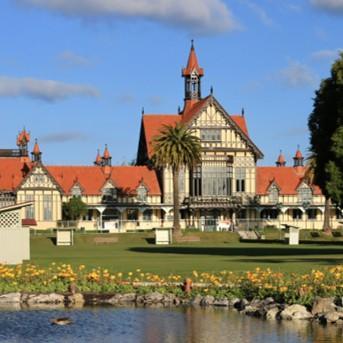
In the week leading up to ISME20, the 26th instalment of the international meeting of the Genomic Standards Consortium (GSC26) will take place in Rotorua, New Zealand, from 12–14 August 2026.

Call for Applications – ISME Scholar Mobility Fund

ISME supports MSc/PhD graduate students and postdocs to develop academically via the Scholar Mobility Fund. Please submit your application by 26 April to study at a host institution abroad.

ISME20 registration is open

Make sure to register by 1 May to benefit from early bird rates and secure your place in the programme if your abstract has been accepted.

Call for Nomination – IWA/ISME BioCluster Awards

The IWA/ISME BioCluster awards honour scientists whose internationally recognised research links microbiology and engineering in water and wastewater treatment. Submit your nomination by 8 May 2026.

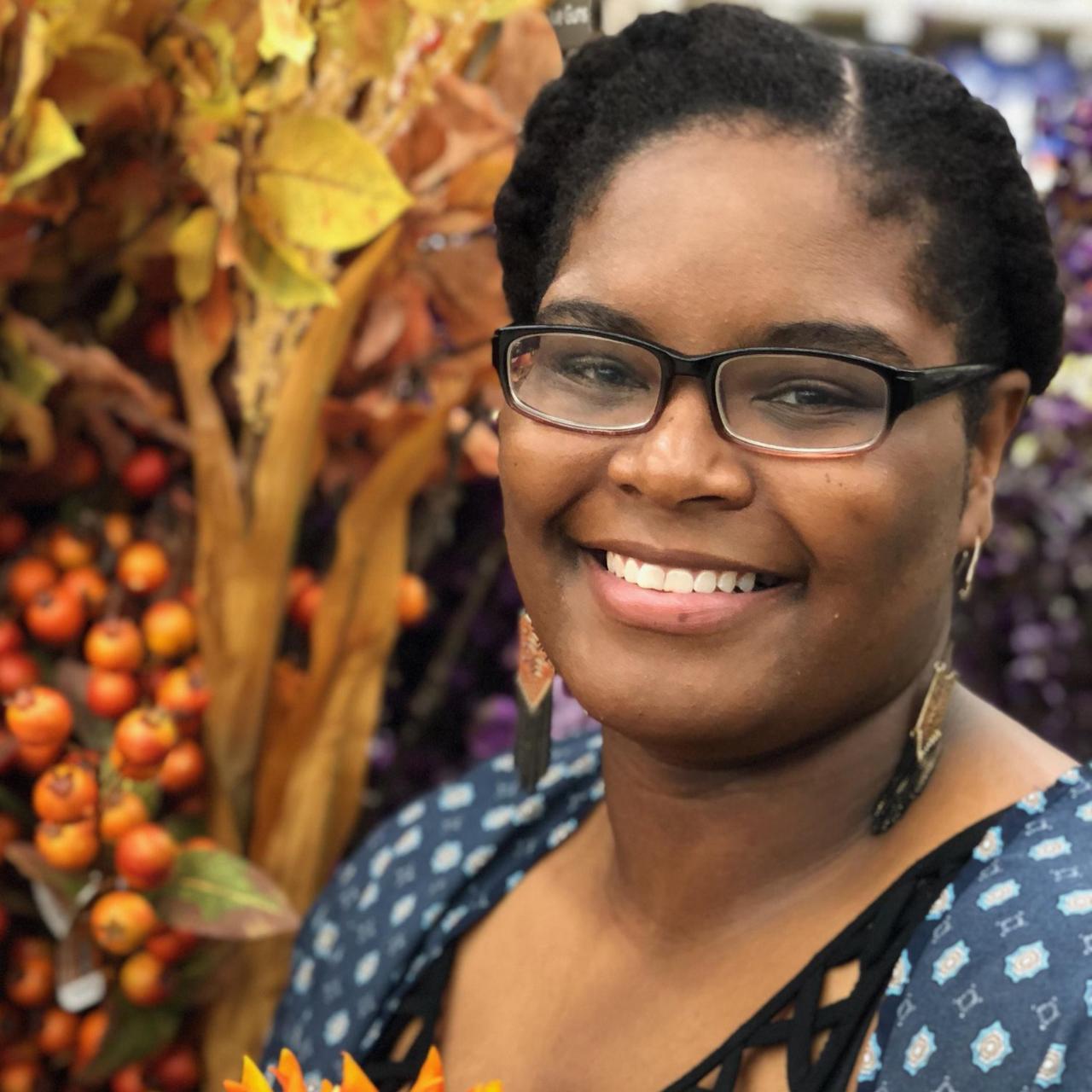
Career choice interview – Alicia Foxx

Alicia Foxx, Conservation Scientist at the Chicago Botanic Garden, shares her career journey, insights on applied ecology and mentoring, and advice for early-career researchers in microbial ecology.

New Ambassador Program Director – Kelly Wrighton

The International Society for Microbial Ecology is pleased to announce that Dr. Kelly Wrighton from Colorado State University in the United States has been appointed as the new Ambassador Program Director.

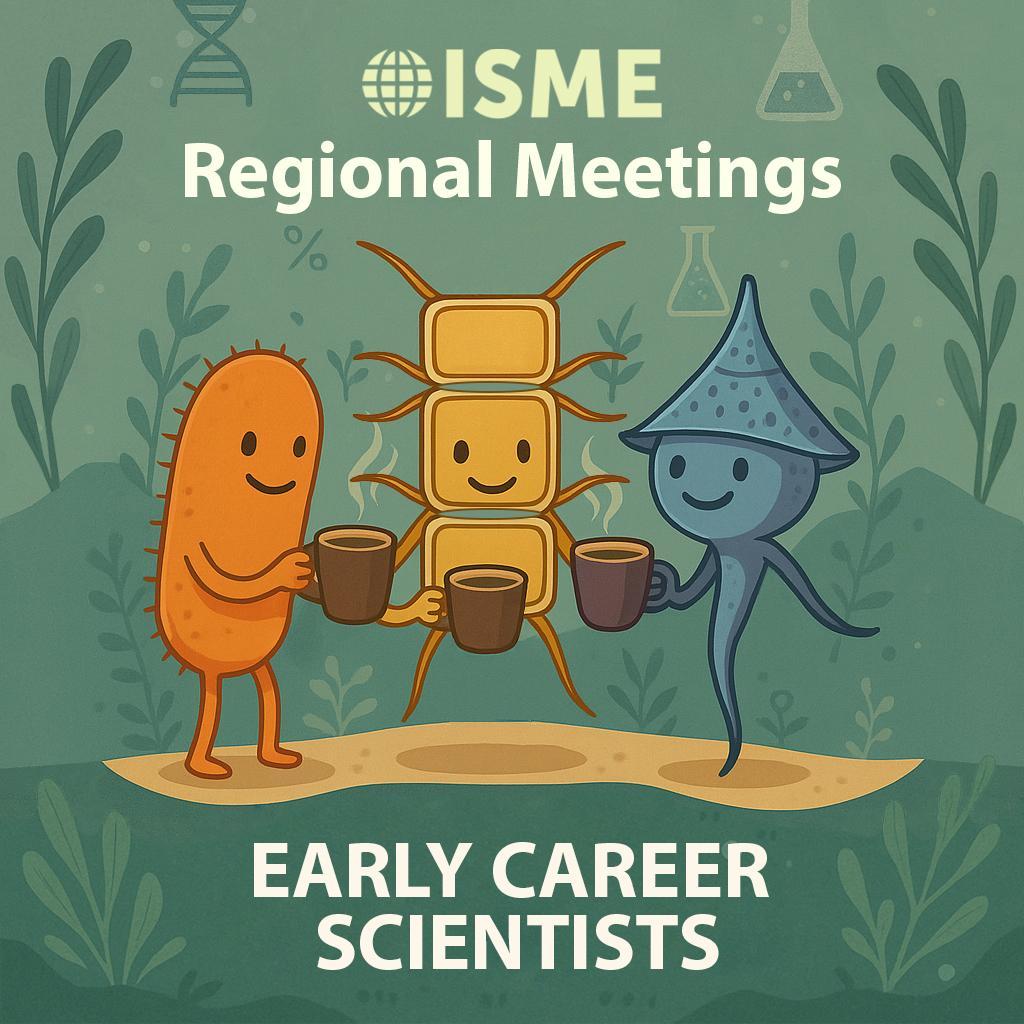
ECS Activities Across ISME Regional Meetings

The ISME Early Career Scientist Committee (ECSC) delivered a range of activities at ISME Regional Meetings to support, connect, and empower early career researchers in microbial ecology worldwide.

ISME Early Career Committee Seeks Members

Are you an early-career microbial ecologist who is dedicated to community service and enjoys representing your colleagues? Join ECSC by submitting your application by 10 April 2026.

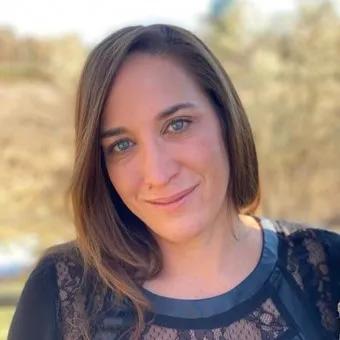
Career choice interview – Nitzan Soffer

Nitzan Soffer shares her path from academia to product manager at Roche, where she helps bring infectious disease diagnostics to market, combing microbiology expertise with business and teamwork

Jeroen Raes pays tribute to Peer Bork at ISME20

Following the sad and unexpected passing of Peer Bork in January, we are pleased to announce that Jeroen Raes (KU Leuven, Belgium) will deliver the Opening Keynote at ISME20.Following the sad and unexpected passing of Peer Bork in January, we are pleased to announce that Jeroen Raes (KU Leuven, Belgium) will deliver the Opening Keynote at ISME20.

In Memoriam: Professor Yehuda Cohen

It is with deep sadness that we share the passing of Professor Yehuda Cohen, a founding figure of the International Society for Microbial Ecology and one of the architects of modern microbial ecology.

Vacancy – ISME20 Events Assistant

ISME is looking for a motivated and flexible Events Assistant to support the organisation of ISME20. This temporary role is ideal for recent graduates seeking hands-on experience in an international setting.

ISME20 - Call for abstracts

ISME invites microbial ecologists from around the world to submit abstracts for consideration for inclusion in the ISME20 programme. If you wish to be considered for an oral presentation, short talk, or poster, please submit your abstract by 15 February.

Call for Roundtable Proposals

Microbial ecologists are invited to propose dynamic roundtable sessions for ISME20, shaping engaging, forward-looking discussions that highlight emerging ideas and transformative advances in science.

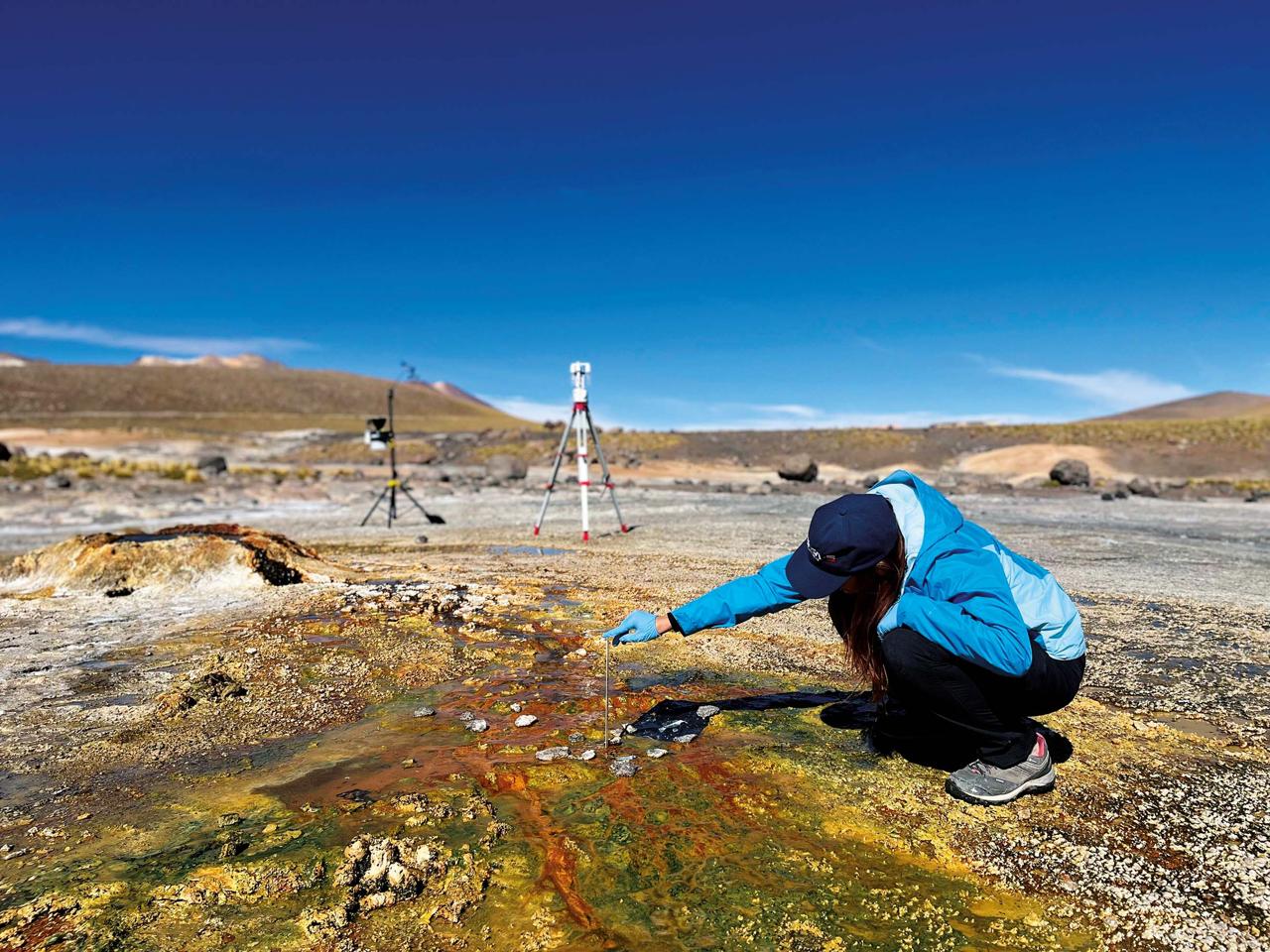
Chilean Hydrothermal Research extended to Italy

ISME-supported PhD research expands from Chile to Italy, mapping sulfur biochemical cycles of hydrothermal systems to test observed patterns in microbial energy transition in extreme environments.

Explore the ISME20 Scientific Sessions

Microbial ecology goes global at ISME20, highlighting the field’s impact worldwide. Exciting topics and scientific sessions are planned, offering attendees a chance to explore cutting-edge research.

Structured interactions reduce keystone effects

Not all species are created equal – the structure of their interactions determines their impact on the ecosystem. New research reveals microbial communities stay stable even when species are removed.

Career choice interview – Alena Pribyl

In this edition, Alena Pribyl discusses her journey from postdoc to Lead Scientist at Microba, offering insights into industry research, career transitions, and essential skills for success.

IUCN Expands Conservation to Microbial Life

The IUCN Microbial Conservation Specialist Group, the first IUCN body focused on protecting microbial life, outlines its goals, framework, and initial action plan in an ISME journal editorial.

Call for microbial ecology photos and videos

Enter the ISME photo competition for a chance to be featured on the front covers of ISME Publications or on the ISME Society promotional materials. Submit your entry by 18 November!

Close to home: measuring microbial dispersal

Microbial movement into soils occurs at a surprisingly local scale. By measuring dispersal rates and spatial patterns, this study challenges the assumption that microbes freely mix across environments.

Hidden drivers of wastewater treatment microbiomes

Wastewater treatment and resource recovery are key for human and environmental health and green transition. Here, Riisgaard-Jensen et al. uncover how the underexplored sewer microbiome shapes the activated sludge communities of the systems.

Cable bacteria transfer electrons through contact

Cable bacteria in freshwater sediments connect through brief end-to-end contact to relay electrons, unveiling a novel cooperative strategy among microbes.

Two-step localization in bacterial predation

Peptidoglycan hydrolase drives a two-step localization in interbacterial predation, representing a previously unrecognized predation mechanism.

Bacterial ‘memory’ lives outside the cell

Microbes can store “memories” by collectively altering their environment. These externalized “memories” impact how microbial communities assemble.

Acetogens are widespread and versatile in ruminants

Acetogens colonizing the rumen have the potential to reduce methane emissions by incorporating electrons to generate acetate, offering a sustainable strategy to improve livestock energy efficiency and help combat climate change.

Meet the Ambassadors

Chioma Blaise Chikere Fanus Venter Sigitas Sulcius Raeid Abed Aashish Jha Vivian Pellizari

Reshaping microbial behavior without antibiotics

This study shows that a novel therapy for cystic fibrosis that is not an antibiotic alters the lung microbiome structure and function due to its effects on shifting microbial niche spaces.

Hot spring bacteria move against the flow

Bacteria without flagella can move against fast water flow in hot springs by using pili-like grappling hooks to crawl upstream, revealing a surprising survival strategy in extreme environments.

Strain-level visualization of microbial life

GenomeFISH is a new genome-based method that overcomes key limitations of traditional FISH, enabling high-throughput, strain-level visualization of microbes directly from their genomes with greater sensitivity.

Habitat filtering shapes soil microbiota transplants

Amid the global soil health crisis, this study explores how habitat filtering shapes soil transplant outcomes and how synthetic communities can steer resident microbiome development for restoration.

Microbes without Borders, Uniting for Climate Change

Microbiology leaders launch global Climate Change Strategy. Published across 6 leading scientific journals, the strategy charts a path to integrate microbial science into global climate solutions.

Call for Applications – ISME Scholar Mobility Fund

ISME supports MSc/PhD graduate students and postdocs to develop academically via the Scholar Mobility Fund. Please submit your application by 1 October to study at a host institution abroad.

Register for the #UnityinDiversity Meeting

Join ISME’s #UnityinDiversity 2025 Virtual Meeting on 21 October, which will elevate diverse voices in microbial ecology and affirm the importance of equity, inclusion, and global collaboration.

ISME20 the Sequel: the Quest continues…

To celebrate that ISME20 is exactly one year from now, the ISME20 Local Organising Committee recreates the magic of their first video by taking you on a new adventure in the second installment.

Announcing ISME20 Keynote Speakers

We are delighted to announce the keynote speakers of ISME20, held from 16 – 21 August 2026. These eight internationally renowned microbial ecologists will each give a 45-minute presentation in Auckland, New Zealand.

Taxonomy and Nomenclature in ISME Communications

ISME Communications is expanding its scope to include Taxonomy and Nomenclature, recognizing their essential role in microbial ecology. Latin names are more than labels—they are foundational for scientific communication, enabling the organization, retrieval, and interpretation of microbial data across studies.

ISME launches Early Career Scientist Reviewer Pool

The ISME Early Career Scientist Committee and ISME Publications are delighted to welcome 102 early career scientists to the inaugural ISME Early Career Scientist Reviewer Pool.

Meet the ISME Early Career Scientist Committee – Leslie Daille

Dr. Leslie K. Daille is a Postdoctoral Researcher at the Genomics, Ecology and Environment Center of Universidad Mayor in Santiago, Chile. Her research explores how microorganisms and their interactions shape ecological processes across diverse environments, with a particular focus on microbial symbiosis and surface-associated microbial communities such as biofilms.

Meet the ISME Early Career Scientist Committee – Xiaohua Han

Xiaohua Han is an assistant professor at the Institute of Geology and Geophysics, Chinese Academy of Sciences (IGGCAS). She is a microbial ecologist focusing on the interactions between microorganisms and minerals, as well as their preservation in both past and present environments.

Meet the ISME Early Career Scientist Committee – Samuel Eziuzor

Samuel Eziuzor is a postdoctoral fellow at the University of British Columbia Okanagan’s School of Engineering in Canada. His research in microbial ecology focuses on understanding the structure and function of prokaryotes within ecosystems.

Meet the ISME Early Career Scientist Committee – Pam Engelberts

Pam Engelberts is a postdoctoral research fellow at the Centre for Microbiome Research (CMR) at the Queensland University of Technology in Australia. She is a microbial ecologist interested in spatially characterising syntrophic interactions between microorganisms in environmental and host-associated systems.

Meet the ISME Early Career Scientist Committee – Akbar Adjie Pratama

Akbar Adjie Pratama is a MicroVerse Excellence Cluster Joint-PostDoctoral Fellow at Friedrich Schiller University Jena and The Ohio State University. He is a microbial ecologist interested in virus diversity and its role in host adaptation and ecosystem functioning across biomes.

Meet the ISME Early Career Scientist Committee – Ann Gregory

Dr. Ann C. Gregory is a viral ecologist and bioinformatician whose research explores how viruses shape the health of humans, microbiomes, and ecosystems. Her work focuses on uncovering the diversity and ecological functions of viruses.

Meet the ISME Early Career Scientist Committee – Burak Avcı

Burak Avcı is an assistant professor at Aarhus University in Denmark. He is a microbial ecologist interested in diversity and evolution of environmental microorganisms.

Career choice interview – Felipe Bermúdez Sharp

Name: Felipe Bermúdez Sharp Position: Co-founder and CTO Affiliation: Humos de la Patagonia Location: Punta Arenas, Chile Pronouns: He/Him

Microbial Ecology enters the Global Policy Stage

ISME is proud to co-lead a historic milestone in the global effort to protect microbial life.

How does catechin reduce methane emissions?

Adding the plant compound catechin to peat cuts methane emissions by up to 84%, likely by creating competition for hydrogen between catechin-degrading microbes and hydrogen-dependent methanogens.

Winner of the ISME Winogradsky Award 2026

Congratulations to Noah Fierer, the winner of the ISME Winogradsky Award 2026. This award is dedicated to mid-career scientists who have substantially advanced the field of microbial ecology.

Microbial leaders unite for Climate Action

Global microbiology societies gathered in Washington, DC, to unite microbial science with climate action and create a shared planetary strategy. Author: Kelly Wrighton

Career choice interview – Maria A. Bautista

Edition 23 Name: Maria A. Bautista Position: Senior Research Associate Affiliation: University of Calgary Location: Calgary, AB, Canada Pronouns: She/Her

Is your gut microbiome a calorie “super harvester”?

In the jungle of microbes living in your gut, there’s one oddball that makes methane. This little-known methane-maker might play a role in how many calories you absorb from your food, according to a new study from Arizona State University.

Winner of the ISME Tiedje Award 2026

ISME is delighted to celebrate Janet Jansson’s outstanding lifetime contribution to microbial ecology and her enduring legacy in the field with the Tiedje Award.

Ocean Eddies Reshape Microbial Life

Sheyn et al. reveal that swirling ocean currents (eddies) create short-lived pockets that favor certain Prochlorococcus strains, showing how “ocean weather” shapes microbial diversity.

Call for ISME Society Awards nominations

Every two years, ISME celebrates the achievements of scientists who have substantially advanced the field of microbial ecology. An award is presented for each stage of a scientist’s career. We encourage our membership to nominate individuals worthy of winning one of our three prestigious awards.

What does declining ice cover mean for winter algae?

Climate change to many phytoplankton manifests via changes in temperature & pH, but to winter diatoms, it appears the issue is light. Yet, they have a few tricks to survive the ice-free future, including proton-pumping rhodopsins.

Career choice interview – Pedro Beschoren da Costa

Edition 22 Name: Pedro Beschoren da Costa Position: Researcher / Thought Leader Affiliation: Valto Biocontrol Location: De Lier, Netherlands Pronouns: He/Him

Inter-Plasmid Gene Transfer Fuels AMR in Pathogens

Antimicrobial resistance (AMR) represents one of the most significant global threats to public health and biosecurity in the coming decades. It is estimated that 10 million people will die from such infections by 2050 if no action is taken immediately.

Editorial Board Member Awards 2024

Congratulations to Hans Bernstein, Tess Brewer, and Rolf Kuemmerli for winning the Outstanding Editorial Board Member Awards for their contribution to The ISME Journal.

The ISME Journal Best Paper Award 2024

ISME wishes to congratulate the authors of the most impactful articles published in The ISME Journal that also nicely reflect the breadth of topics published from around the world each year.

Career choice interview with Barbara Marcelli

Edition 21 Name: Barbara Marcelli Position: Application Development Manager Affiliation: Phageguard by Micreos Food Safety B.V. Location: Wageningen, The Netherlands Pronouns: She/Her

Microbial Solutions for Climate Change

ISME has teamed up with other microbiology societies to advocate for the importance of microbial ecology in the discussions with policymakers and other stakeholders about mitigating climate change.

Career Choice interview with Ramy Karam Aziz

Edition 20 Name: Ramy Karam Aziz Position: Professor and Laboratories Head Affiliation: M.A.R.C. Biosciences Research Laboratories Location: Giza, Egypt Pronouns: He/Him

ISME Scholar Mobility Fund – Call for Applications

ISME supports graduate students (MSc/PhD) and postdoctoral fellows to further develop their academic knowledge and skills at a host institution outside of their country of study with the Scholar Mobility Fund. Make sure to submit your application by 31 March 2025.

Winners of the 2025 ISME Communications cover

We are delighted to announce that a photo of natural oil seeps provided by Frank Fox, Sabine Marks, and Lisa Voskuhl will be featured as the 2025 front cover of ISME Communications.

The ISME Journal front cover for 2025

A pair of cross-feeding strains of the bacterium Pseudomonas stutzeri will feature on the front cover of The ISME Journal. Chujin Ruan, a postdoctoral researcher at the Swiss Federal Institute of Aquatic Science and Technology, provided the winning cover image.

Winners of the ISME Photo competition

We are delighted to share the winning microscopy images and photos of microbial ecologists at work that have been uploaded to the new ISME website providing a wonderful representation of our community.

ISME19 Symposium Award winners

Congratulations to the Symposium award winners including the D.C. White Award, the Tom Brock Awards and the ISME Early Career Researcher Poster Awards, which were given to exceptional poster presentations and talks held at ISME19.

Join us at ISME20 in Auckland!

The International Symposium for Microbial Ecology is held every two years in a different region in the world. Conference chairs, Mike Taylor and Gavin Lear, invite you to join ISME20 in Auckland in 2026.

Welcoming Gabriele Berg as the new Vice President

In this interview, the new ISME Vice President, Gabriele Berg from Graz University of Technology, Austria talks about the importance of supporting young scientists and ensuring that scientific findings are translated to societal solutions.

Career Choice interview with Christine Sun

Edition 19 Name: Christine L. Sun, PhD Position: Senior Research Associate Affiliation: Center of Microbiome Science, The Ohio State University Location: Columbus, Ohio (working remotely from San Francisco Bay Area, CA) Pronouns: She/Her

A big thank you to Nicole Dubilier

It is with a heavy heart that we are saying goodbye to ISME Executive Board Member Nicole Dubilier, Director of the Department of Symbiosis at the Max Planck Institute for Marine Microbiology in Bremen, Germany.

Career Choice interview with Marianne Haines

Edition 18 Name: Marianne Haines, PhD Position: Senior Scientist Affiliation: Brokkr Mineral Resources Location: Vancouver, Canada Pronouns: She/Her

Harnessing microbial solutions to combat climate change

The ISME Climate Change Committee, AAM, AMI, ASM, FEMS and ICRS are joining forces to encourage industry and policy-makers to make use of microbes to mitigate and adapt to climate change.

Introducing the new ISME President

It is our pleasure to announce Raquel Peixoto, Associate Professor at King Abdullah University of Science and Technology in Saudi Arabia, as the new ISME President.

ISME Publications news

Structured interactions reduce keystone effects

Not all species are created equal – the structure of their interactions determines their impact on the ecosystem. New research reveals microbial communities stay stable even when species are removed.

Close to home: measuring microbial dispersal

Microbial movement into soils occurs at a surprisingly local scale. By measuring dispersal rates and spatial patterns, this study challenges the assumption that microbes freely mix across environments.

Hidden drivers of wastewater treatment microbiomes

Wastewater treatment and resource recovery are key for human and environmental health and green transition. Here, Riisgaard-Jensen et al. uncover how the underexplored sewer microbiome shapes the activated sludge communities of the systems.

Cable bacteria transfer electrons through contact

Cable bacteria in freshwater sediments connect through brief end-to-end contact to relay electrons, unveiling a novel cooperative strategy among microbes.

Two-step localization in bacterial predation

Peptidoglycan hydrolase drives a two-step localization in interbacterial predation, representing a previously unrecognized predation mechanism.

Bacterial ‘memory’ lives outside the cell

Microbes can store “memories” by collectively altering their environment. These externalized “memories” impact how microbial communities assemble.

Acetogens are widespread and versatile in ruminants

Acetogens colonizing the rumen have the potential to reduce methane emissions by incorporating electrons to generate acetate, offering a sustainable strategy to improve livestock energy efficiency and help combat climate change.

Reshaping microbial behavior without antibiotics

This study shows that a novel therapy for cystic fibrosis that is not an antibiotic alters the lung microbiome structure and function due to its effects on shifting microbial niche spaces.

Hot spring bacteria move against the flow

Bacteria without flagella can move against fast water flow in hot springs by using pili-like grappling hooks to crawl upstream, revealing a surprising survival strategy in extreme environments.

Strain-level visualization of microbial life

GenomeFISH is a new genome-based method that overcomes key limitations of traditional FISH, enabling high-throughput, strain-level visualization of microbes directly from their genomes with greater sensitivity.

Habitat filtering shapes soil microbiota transplants

Amid the global soil health crisis, this study explores how habitat filtering shapes soil transplant outcomes and how synthetic communities can steer resident microbiome development for restoration.

Taxonomy and Nomenclature in ISME Communications

ISME Communications is expanding its scope to include Taxonomy and Nomenclature, recognizing their essential role in microbial ecology. Latin names are more than labels—they are foundational for scientific communication, enabling the organization, retrieval, and interpretation of microbial data across studies.

ISME launches Early Career Scientist Reviewer Pool

The ISME Early Career Scientist Committee and ISME Publications are delighted to welcome 102 early career scientists to the inaugural ISME Early Career Scientist Reviewer Pool.

How does catechin reduce methane emissions?

Adding the plant compound catechin to peat cuts methane emissions by up to 84%, likely by creating competition for hydrogen between catechin-degrading microbes and hydrogen-dependent methanogens.

Is your gut microbiome a calorie “super harvester”?

In the jungle of microbes living in your gut, there’s one oddball that makes methane. This little-known methane-maker might play a role in how many calories you absorb from your food, according to a new study from Arizona State University.

Ocean Eddies Reshape Microbial Life

Sheyn et al. reveal that swirling ocean currents (eddies) create short-lived pockets that favor certain Prochlorococcus strains, showing how “ocean weather” shapes microbial diversity.

What does declining ice cover mean for winter algae?

Climate change to many phytoplankton manifests via changes in temperature & pH, but to winter diatoms, it appears the issue is light. Yet, they have a few tricks to survive the ice-free future, including proton-pumping rhodopsins.

Inter-Plasmid Gene Transfer Fuels AMR in Pathogens

Antimicrobial resistance (AMR) represents one of the most significant global threats to public health and biosecurity in the coming decades. It is estimated that 10 million people will die from such infections by 2050 if no action is taken immediately.

Editorial Board Member Awards 2024

Congratulations to Hans Bernstein, Tess Brewer, and Rolf Kuemmerli for winning the Outstanding Editorial Board Member Awards for their contribution to The ISME Journal.

The ISME Journal Best Paper Award 2024

ISME wishes to congratulate the authors of the most impactful articles published in The ISME Journal that also nicely reflect the breadth of topics published from around the world each year.

Winners of the 2025 ISME Communications cover

We are delighted to announce that a photo of natural oil seeps provided by Frank Fox, Sabine Marks, and Lisa Voskuhl will be featured as the 2025 front cover of ISME Communications.

The ISME Journal front cover for 2025

A pair of cross-feeding strains of the bacterium Pseudomonas stutzeri will feature on the front cover of The ISME Journal. Chujin Ruan, a postdoctoral researcher at the Swiss Federal Institute of Aquatic Science and Technology, provided the winning cover image.