|
|
In Memoriam
Peer Bork
Interim Director General, EMBL
Germany
We are deeply sorry to learn of the recent passing of Peer Bork, who has made a massive contribution to the field of microbial ecology over the past several decades. Peer was to present the Opening Keynote lecture at ISME20, in recognition of his many contributions. The ISME20 organisers will make a further announcement in due course. Many thanks for your understanding.
|
|
Confirmed Keynote Speakers
|
|
|
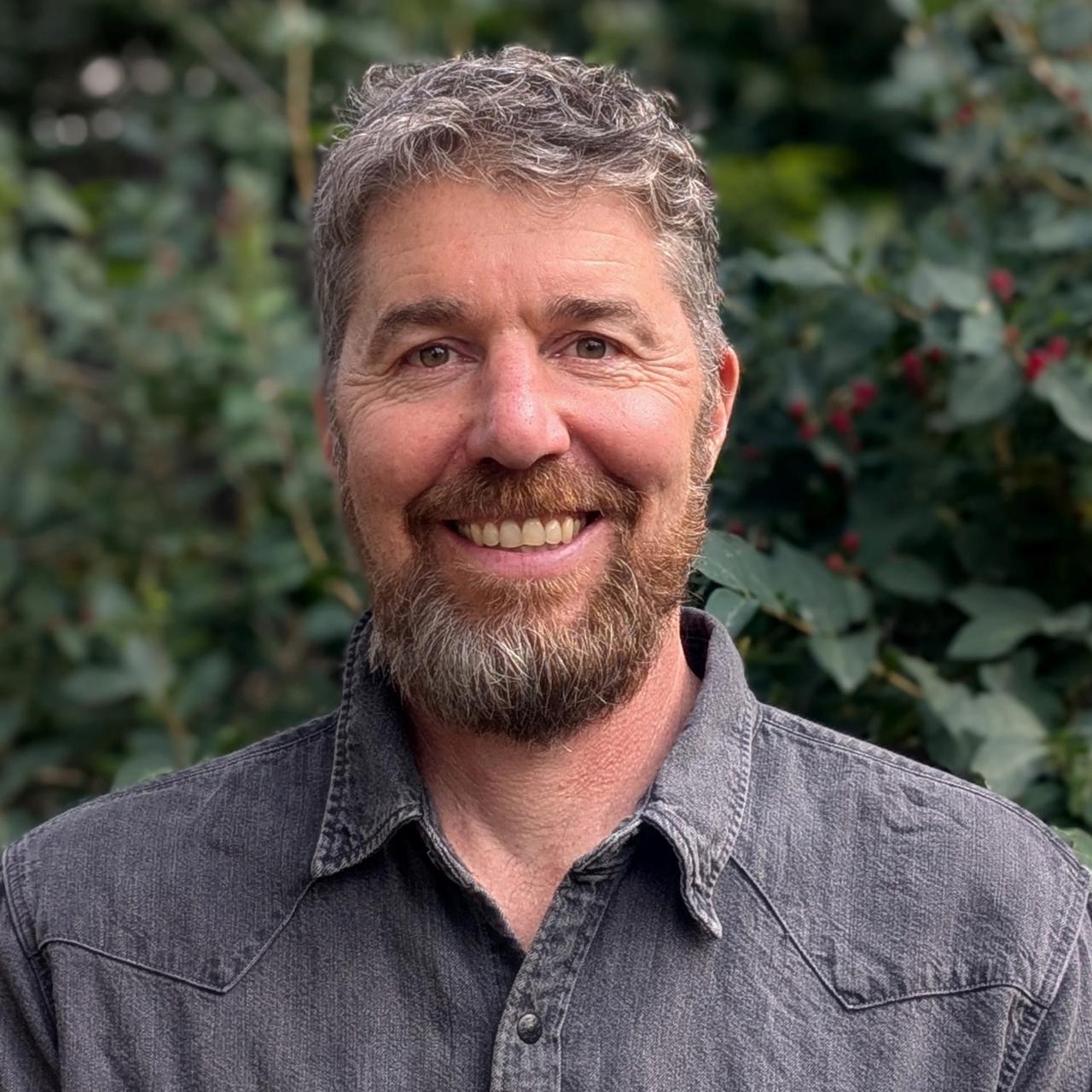
Noah Fierer
University of Colorado, Boulder
United States
Noah Fierer received his bachelor’s degree from Oberlin College and his PhD from the University of California, Santa Barbara. After completing postdoctoral work at Duke University, he joined the University of Colorado Boulder where he currently holds the position of Professor in the Department of Ecology and Evolutionary Biology and Director of the Center for Microbial Exploration.
|
|
|
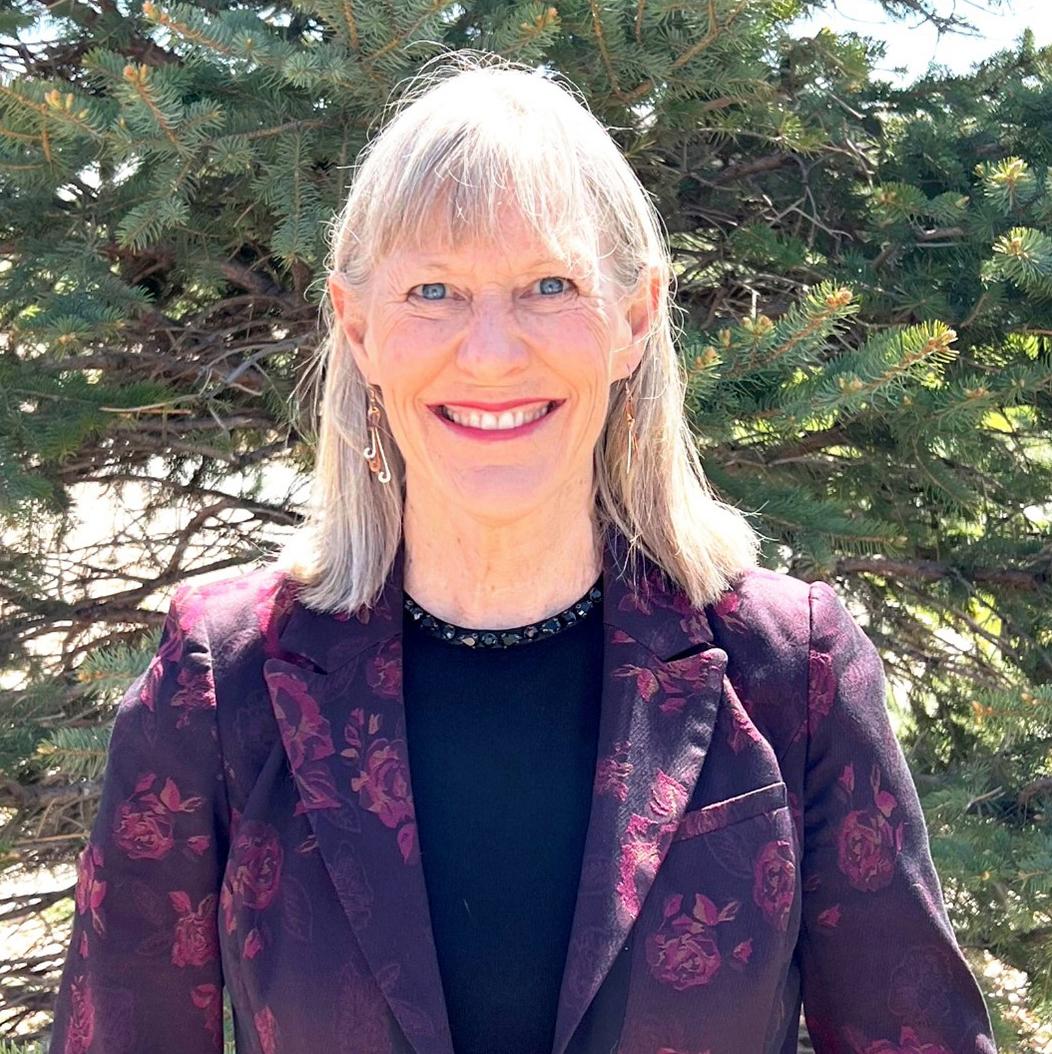
Janet Jansson
United States
Janet Jansson established a successful career in Europe at the Swedish University of Agricultural Sciences (2004-2007) as well as in the United States at Michigan State University, Lawrence Berkeley National Laboratory (2007-2014) and Pacific Northwest National Laboratory (2014-2021). Even though she retired in 2021, she is still active as a Fellow of the American Academy of Microbiology, the Washington State Academy of Science, and the American Association for the Advancement of Science. Janet Jansson has served as an expert on numerous national and international advisory panels, including the White House’s Microbiome Initiative, the National Academies of Sciences, the U.S. National Committee for Soil Science, and NASA. Jansson was the President and board member of the ISME society until 2018.
|
|
|
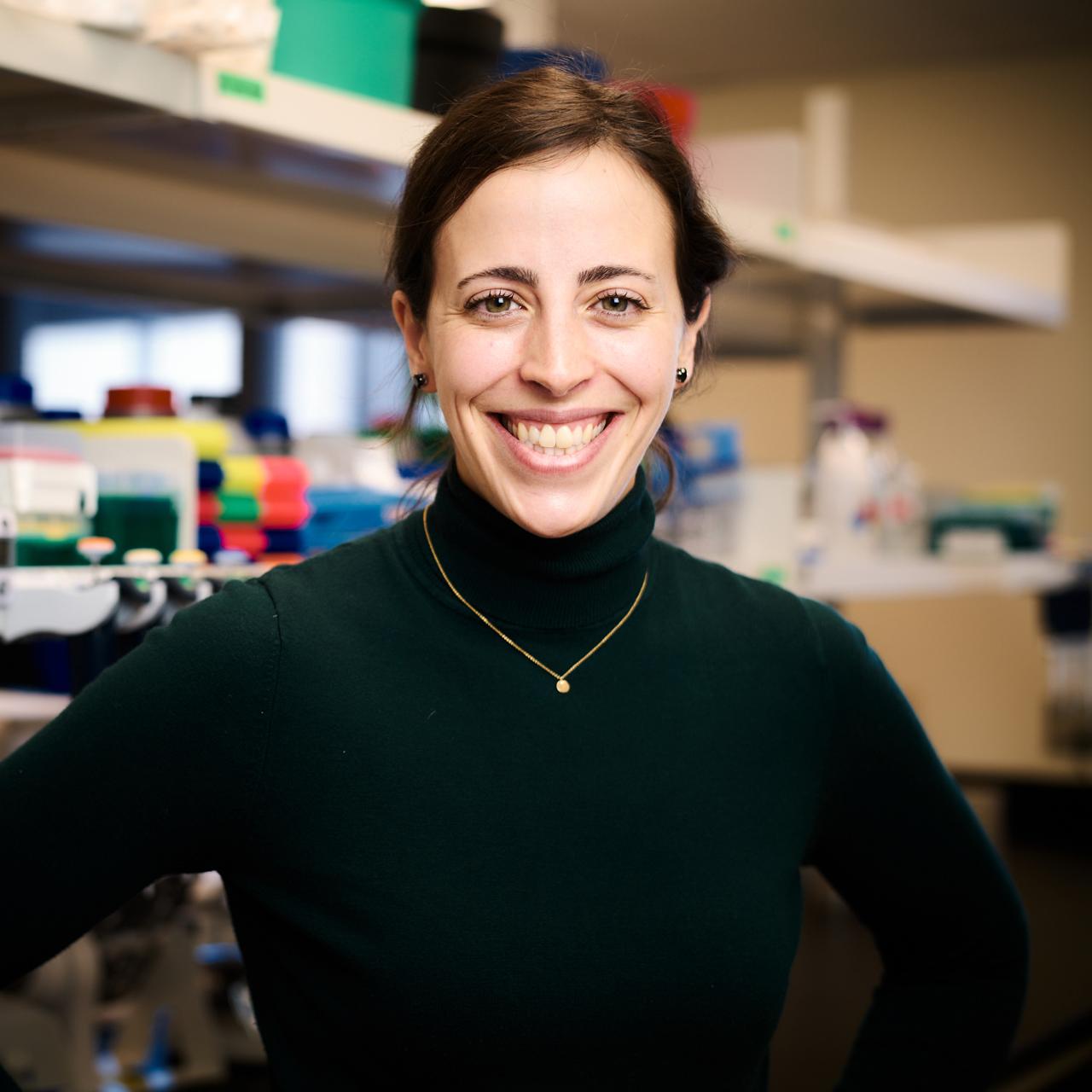
Isabelle Laforest-Lapointe
Université de Sherbrooke
Canada
Isabelle Laforest-Lapointe has been an Assistant Professor at Université de Sherbrooke since 2020 and holds a Canada Research Chair Tier II in Applied Microbial Ecology. She was educated in a highly interdisciplinary way at Université du Québec à Montréal and Calgary in Canada, and the Universitat Autonoma de Barcelona and the Universitat Politécnica de Catalunya in Spain. Her international stature in the field of microbial ecology led to an invitation to serve on the scientific committee of the Microbiome Data and several editorial boards, including ISME Communications.
To learn more about Isabelle, please visit her lab’s website.
|
|
|
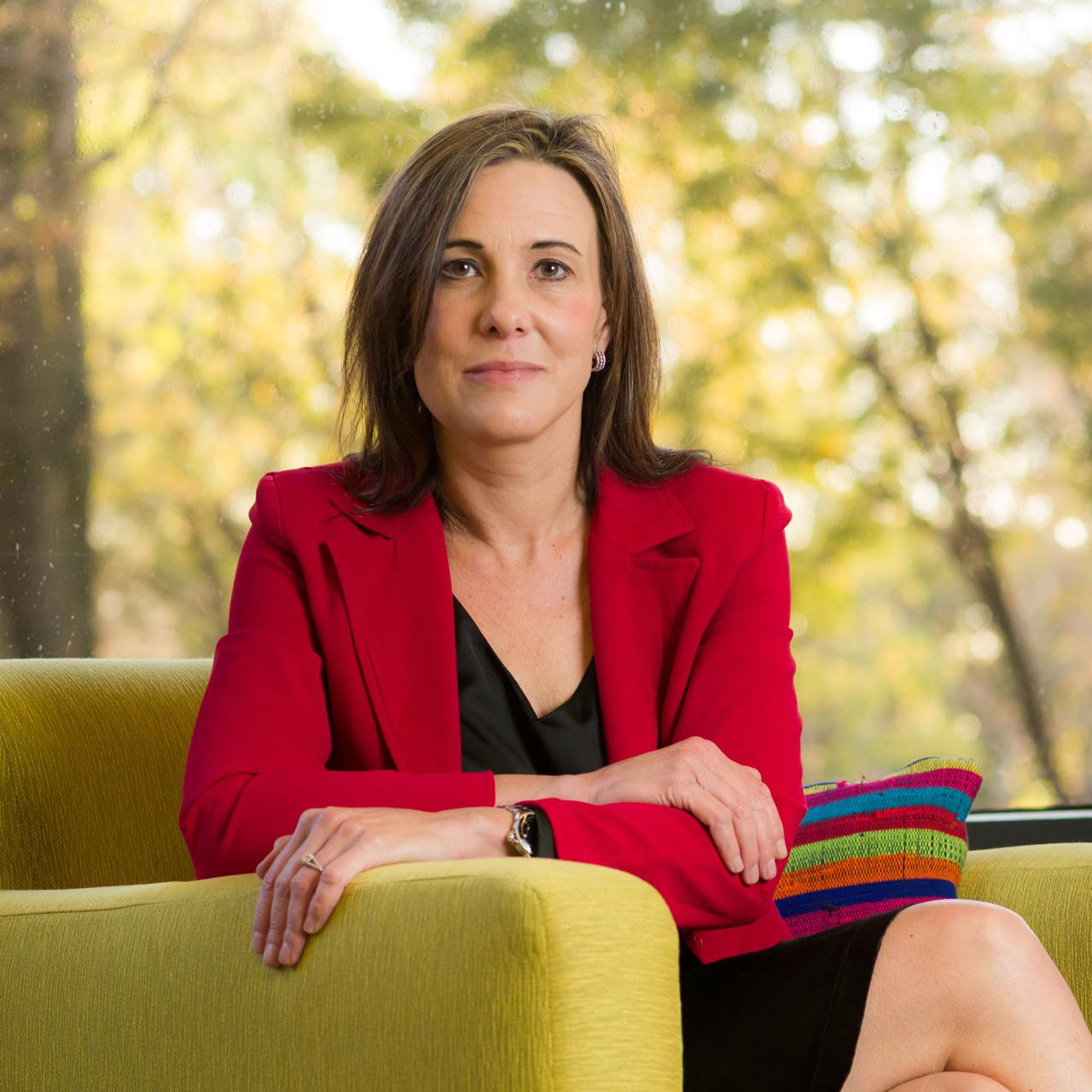
Wanda Markotter
Director of the Centre for Viral Zoonoses, Faculty of Health Sciences and Director of the Future Africa Platform at University of Pretoria
South Africa
Wanda Markotter is the Interim Director and Research Chair: People, Health, and Places (One Health) at Future Africa, University of Pretoria. She also serves as Director of the Centre for Viral Zoonoses (UP-CVZ) in the Faculty of Health Sciences and holds the DSTI-NRF South African Research Chair in Infectious Diseases of Animals (Zoonoses). Her inter and transdisciplinary research focuses on bat pathogens and predicting and preventing spillover risks. Prof Markotter is Co-Chair of the One Health High-Level Expert Panel (OHHLEP), advising the WHO, WOAH, FAO, and UNEP. Prof Markotter is actively involved in several One Health initiatives with a pan-African focus, contributing to the development of integrated health strategies at the interface of human, animal, and environmental health.
Fields of Expertise: One Health, Zoonoses, Disease Ecology, Virology
|
|
|
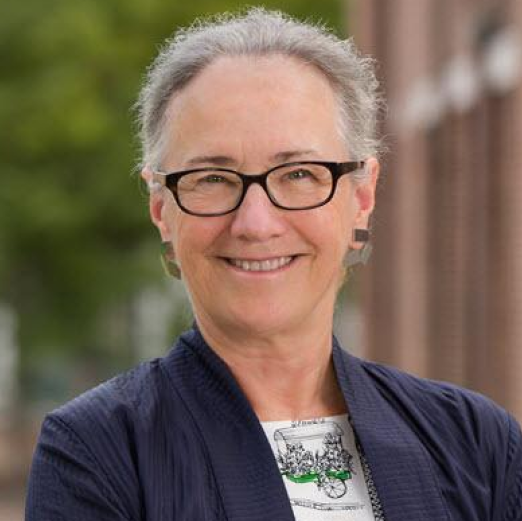
Margaret McFall-Ngai
CalTech
United States
Margaret McFall-Ngai is the inaugural director for the Carnegie Institution for Science’s cross-disciplinary research division, the Division of Biosphere Sciences and Engineering, focused on integrating diverse fields of biology, from molecular biology to ecology, to tackle pressing issues such as climate change and sustainability. Her lab is located at the California Institute of Technology where she is also a Faculty Associate.
Prior to her current position, Margaret McFall-Ngai was a professor at the University of Hawaiʻi-Mānoa and has also held tenured positions at the University of Southern California and the University of Wisconsin-Madison.
Her research laboratory studies two areas: (i) the role of beneficial bacteria in health using the squid-vibrio model; and (ii) the biochemical and molecular ‘design’ of tissues that interact with light.
|
|
|
Maureen O’Malley
University of Sydney
Australia
Maureen O’Malley is a philosopher of biology who focuses on the amazing philosophical issues in microbiology, especially microbial ecology and evolution. She has a wide range of publications that look into philosophical issues in microbiology, including a book called Philosophy of Microbiology. She is just about to publish a new book on Philosophical Issues in Microbiome Research.
Field of Expertise: Philosophy of microbiology
|
|
|
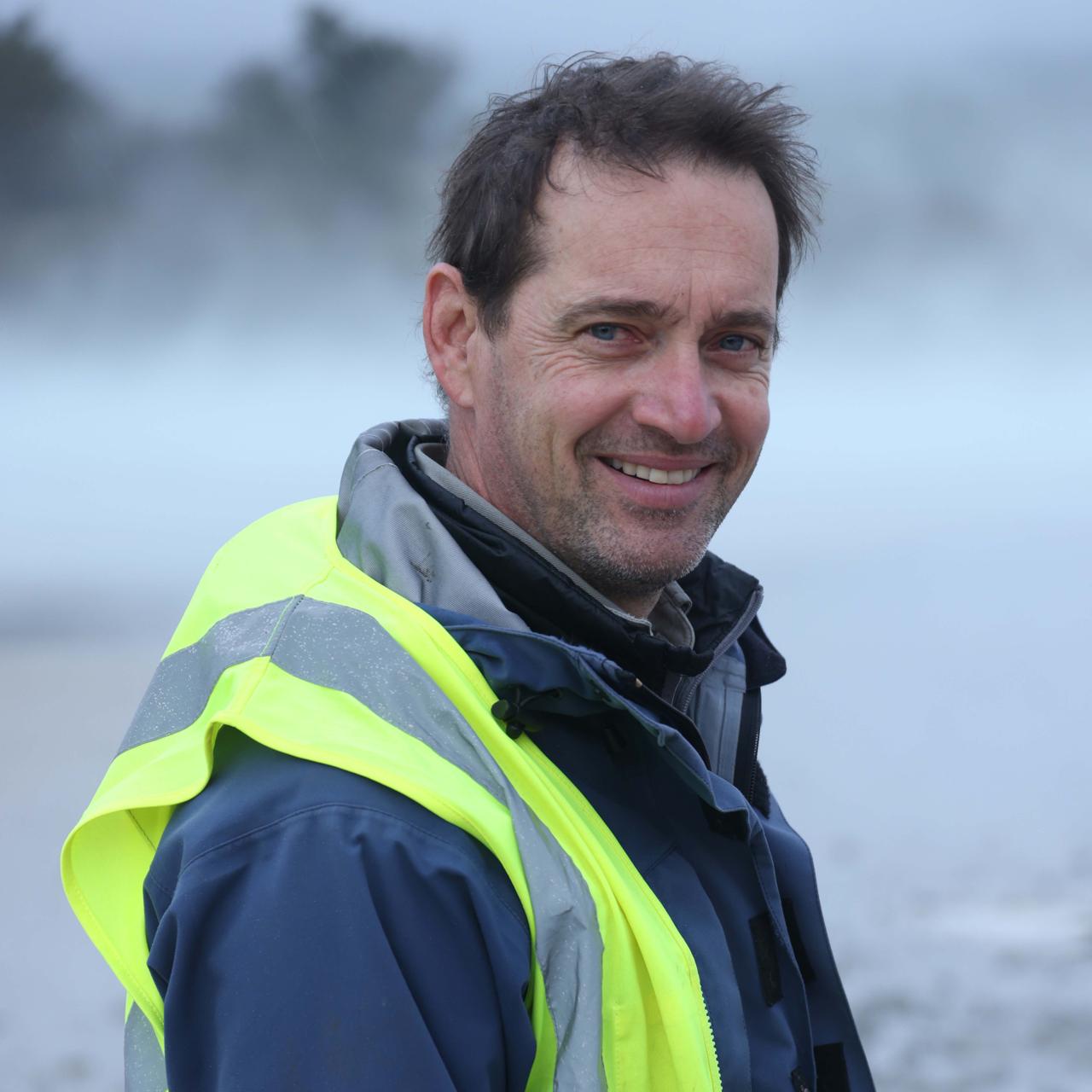
Matthew Stott
University of Canterbury
New Zealand
Matthew Stott leads a small research laboratory based in Christchurch, New Zealand that focusses on environmental microbiology and the microbial ecology of extreme, unusual and/or energetically-challenging environments. This work encompasses a wide spectrum of topics including new methods for cultivating rare microorganisms, microbial genomics and function, microbial diversity, and the intersection of indigenous data sovereignty with microbiology, genomics and biotechnology. Much of Matthew’s work has centred in New Zealand’s Taupo Volcanic Zone which supports a high concentration of hot spring systems and geothermally heated soils. Using this amazing resource, and with the support of Māori landowners, he and his collaborators have been able to undertake a wide variety of projects including isolating variety of new bacterial taxa. More recently, Matthew and his collaborators completed a near national scale assessment of the microbial diversity and drivers of New Zealand’s geothermal ecosystems (colloquially known as the 1000 Springs Project).
Field of Expertise: Extremophiles
|